Are you running your critical projects outside of Salesforce, stuck wrestling with spreadsheets, post-it notes, or disconnected systems? If your answer is yes, you’re missing out on real-time visibility, suffering from fragmented data, and likely jeopardizing deadlines.

The solution is simple: Go Native.
Salesforce-native applications are built directly on the platform you trust, ensuring seamless integration, maximum productivity, and enterprise-grade security.
We’ve reviewed the leading solutions in the Professional Services Automation (PSA) and Project Management (PM) space to help you decide which powerhouse app deserves a spot in your Salesforce environment.
The Elite Field: Leading Salesforce-Native Apps
While the list of project apps is long, we focus on the platforms that offer robust, Salesforce-native functionality for serious project delivery and Professional Services Automation.
| Application | Core Focus & Key Strengths | Key Features Mentioned in Sources |
|---|---|---|
| Proxiuss Project+ | Unified Project Control & AI-Powered Management | AI Reporting, Smart Resource Planning, Task Management, Financial Health Monitoring. |
| Cloud Coach | Professional Services Automation (PSA) & Efficiency | Salesforce-Native PSA, built for momentum, adaptable/intuitive, supports Waterfall, Agile, Water-Scrum-Fall. |
| Klient PSA | All-in-One PSA Suite for Consulting/SaaS | Centralized Resource Planner, Gantt charts, Kanban boards, Project & Resource Management, Pricing includes Salesforce licenses. |
| TaskRay | Customer Onboarding & Delivery | Leading solution for customer onboarding, repeatable templates, Resource Planner, Flexible Kanban, Collaboration Connect. |
| Mission Control | Project Management Command Center | Supports Agile/Waterfall/Wagile, Gantt Chart, Kanban Whiteboard, PMO Dashboard, Revenue Recognition, Role Utilization. |
| Precursive | Services Delivery & Growth Engine | Accelerates service delivery, resource management via AI, improved attach rates, Customer Workspace (portal), 100% native. |
| Inspire Planner | Intuitive PM for All Team Sizes | Interactive Gantt chart (drag and drop), Kanban Boards, Time Tracking, Resource Management, Set up in minutes. |
Spotlight: Elevate Your Projects with Proxiuss Project+
If you are looking to embrace the future of project management right within your existing Salesforce infrastructure, Proxiuss Project+ is the application that demands attention.
Proxiuss Project+ is explicitly designed to Elevate Your Project Management Using AI.
Why Proxiuss Project+ Stands Out:
- Unified Project Control: The primary benefit of Proxiuss Project+ is its ability to eliminate system fragmentation. You can manage all aspects of your projects from a single platform – from initiation to closure. This means you no longer need to use multiple applications.
- AI Integration: The platform features Smart Resource Planning & Task Management with AI Reporting. Utilizing AI helps drive decisions and unlock the hidden potential of your project team.
- Comprehensive Coverage: It is a highly useful tool because it covers project management, resource planning, and monitors the financial health of the project.
- Seamless Integration: Proxiuss Project+ seamlessly integrates with your existing Salesforce ecosystem, enhancing functionality without a steep learning curve.
Which App Should You Choose and Why?
Choosing the right application depends entirely on your primary business needs: PSA, customer onboarding, or complex internal project execution.
1. If Your Main Priority is Scaling Professional Services (PSA):
Consider Klient PSA, Cloud Coach, or Precursive.
- Klient PSA is an all-in-one suite built for thriving consulting firms and SaaS businesses. It is designed to help centralize data, improve efficiency, and increase revenue through real-time project insights. Notably, Klient PSA’s pricing includes Salesforce licenses.
- Cloud Coach is positioned as a powerful, Salesforce-native PSA that streamlines operations, reduces administration, and drives scalable growth. Cloud Coach is praised for being Built for Momentum, eliminating time-wasting manual tasks, and being fast and automation-first, unlike competitors described as slow or complex. It has shown impressive results, including a 40% faster onboarding timeline and 15% more billable hours captured.
- Precursive helps transform services into a growth engine by aligning sales and services, accelerating delivery, and using AI to forecast demand and optimize utilization. It excels in increasing billable utilization and providing board-ready visibility via Smarter P&L Reporting.
2. If Your Main Priority is Standardizing Customer Onboarding and Delivery:
TaskRay is often the ideal choice. It is the leading project management solution for customer onboarding and delivery built entirely on Salesforce. TaskRay helps businesses standardize processes using launch-ready project templates and automated tasks. Customers have seen significant results, including cutting go-live time by nearly 40% and doubling the number of accounts an implementation specialist can handle. TaskRay is also highly flexible, adapting to workflows rather than forcing operational changes.
3. If Your Main Priority is All-in-One Project Control with Advanced Tools:
Look at Mission Control, Inspire Planner, or Proxiuss Project+.
- Mission Control is highly robust, supporting everything from Project Generation and Program Planner roadmapping to detailed Project Financials (tracking billing/cost rates for P&L visibility). It offers comprehensive features like the Gantt Chart, Kanban Whiteboard, and Resource Scheduler to keep work on track.
- Inspire Planner is ideal if you value intuitive design and quick setup. It’s ready to go in minutes, offering essential tools like an Interactive Gantt chart (with critical path and baseline tracking) and Resource Management for viewing capacity and allocation.
- Proxiuss Project+, as highlighted above, offers a compelling solution for businesses needing Unified Project Control and want to leverage AI for smarter resource and task management while monitoring financial health from a single location.
Final Recommendation
All these applications—Cloud Coach, Inspire Planner, Klient PSA, Mission Control, Precursive, and TaskRay—are trusted, 100% Salesforce-native solutions.
However, if you seek a modern platform that minimizes complexity, centralizes all project data, and incorporates next-generation capabilities like Smart Resource Planning and AI Reporting, Proxiuss Project+ is the clear choice for elevating your project management strategy.
Proxiuss Project+ is a powerful project management platform, but sometimes extracting truly actionable insights from your data can feel like searching for a needle in a haystack. We’re thrilled to offer AI-powered reporting capabilities that seamlessly integrate with your project data, taking your reporting and dashboards to the next level. This article explores how Lazy Admin can enrich your experience and unlock the full potential of your project data, especially when considering the landscape of AI project management tools.

The Challenge: Data Overload, Insight Underload
Many project managers find themselves drowning in data from various sources. While Proxiuss Project+ offers robust tracking features, translating that raw data into clear, concise, and actionable reports can be time-consuming and complex. Traditional reporting methods often require manual manipulation, spreadsheet wizardry, and a deep understanding of the underlying data structure. This can lead to:
- Time-consuming report generation: Spending hours pulling data and formatting reports takes away from actual project management.
- Limited insights: Surface-level reporting might not reveal the hidden trends and potential bottlenecks.
- Inconsistent reporting: Manual processes can lead to errors and inconsistencies, making it difficult to get a reliable overview.
- Difficulty in identifying trends: Spotting emerging trends and patterns requires significant effort and expertise. This is where the right AI project management tools can make a significant difference.
The Solution: AI-Driven Reporting
Lazy Admin leverages the power of artificial intelligence to transform your data into insightful, easy-to-understand reports. Our seamless integration unlocks a range of benefits, positioning us as one of the leading AI project management tools on the market:
- Automated Report Generation: Say goodbye to manual data crunching! Lazy Admin automatically generates reports based on your specific needs, saving you valuable time and effort. This is a key feature differentiating top AI project management tools.
- Advanced Analytics: Our AI algorithms go beyond basic reporting, uncovering hidden trends, patterns, and potential risks that might otherwise go unnoticed. Identify bottlenecks, predict project timelines, and optimize resource allocation with ease. Many AI project management tools offer some level of analytics, but Lazy Admin’s integration with Proxiuss Project+ provides a unique advantage.
- Customizable Dashboards: Create personalized dashboards that display the key metrics and KPIs that matter most to you. Visualize your project performance at a glance and track progress towards your goals. The best AI project management tools provide flexible dashboard options.
- Predictive Analytics: Leverage the power of predictive analytics to anticipate potential project roadblocks and proactively mitigate risks. Stay one step ahead and ensure project success. This is a critical capability offered by advanced AI project management tools.
- Seamless Integration: Lazy Admin integrates seamlessly with your existing Proxiuss Project+ environment, ensuring a smooth and hassle-free experience. No complex setup or data migration is required. This seamless integration is a significant advantage over other AI project management tools that may require complex setup.
- User-Friendly Interface: Our intuitive interface makes it easy for anyone to access and understand the insights generated by our AI engine, regardless of their technical expertise. User-friendliness is a hallmark of effective AI project management tools.
How Lazy Admin Enhances Proxiuss Project+ (Making it a Powerful Combination of AI Project Management Tools):
- Enhanced Project Tracking: Gain a deeper understanding of project progress, identify potential delays, and track milestones with greater accuracy. Lazy Admin enhances Proxiuss Project+ making it a powerful combination of AI project management tools.
- Improved Resource Management: Optimize resource allocation by identifying underutilized or overstretched team members. This is a key benefit of using AI project management tools.
- Data-Driven Decision Making: Make informed decisions based on concrete data and insights, rather than relying on gut feelings. AI project management tools empower data-driven decisions.
- Proactive Risk Management: Identify and mitigate potential risks before they impact your project timeline or budget. Proactive risk management is a core function of many AI project management tools.
- Streamlined Communication: Share clear and concise reports with stakeholders, keeping everyone informed and aligned. Effective communication is facilitated by good AI project management tools.
Unlocking the Power of Your Project Data with One of the Best AI Project Management Tools
Lazy Admin’s AI-powered reporting capabilities are a game-changer for Proxiuss Project+ users. By automating report generation, providing advanced analytics, and offering customizable dashboards, we empower project managers to make data-driven decisions, optimize resource allocation, and ultimately drive project success. We believe Lazy Admin is one of the best AI project management tools for our users.
Ready to experience the future of project reporting?
Contact us today to learn more about how Lazy Admin can enrich your Proxiuss Project+ experience and unlock the full potential of your project data. Contact our sales team for a personalized demo.
When your nonprofit organization is considering the adoption of new technology, it’s crucial to set the right expectations regarding the investment required. Understanding the “Total Cost of Ownership” (TCO) is key to ensuring your organization is fully prepared for both the direct and indirect costs of implementing and maintaining a new system. In this blog post, we’ll break down the factors you should consider when evaluating the TCO for a platform like Salesforce for Nonprofits.

What is Total Cost of Ownership?
Total Cost of Ownership refers to the comprehensive assessment of all costs associated with the acquisition, deployment, operation, and eventual retirement of a technology solution. This goes beyond the initial purchase price, encompassing ongoing operational expenses, potential upgrades, and even the cost of transitioning to a new system in the future. For nonprofit organizations, understanding TCO is essential to make informed decisions that align with both budgetary constraints and long-term strategic goals.
Salesforce for Nonprofits: More Than Just Software
Salesforce for Nonprofits is often seen as just a tool for managing data and processes. However, it’s more accurate to think of it as a platform—a foundation on which you can build custom solutions tailored to your organization’s unique needs. This flexibility is a major advantage but also adds complexity to the TCO.
Unlike off-the-shelf software applications, which are ready to use immediately, a platform like Salesforce requires time and resources to customize and configure according to your organization’s requirements. This means your nonprofit will need to invest in planning, development, and ongoing management to fully leverage Salesforce’s capabilities.
Key Roles for Successful Implementation
One of the most critical aspects of managing the TCO of Salesforce for Nonprofits is ensuring you have the right team in place. Successful adoption of this technology requires the involvement of staff at all levels:
- Executives: Leadership must advocate for the vision, resources, and adoption of Salesforce. Their commitment is vital to overcoming challenges and ensuring the project aligns with the organization’s mission.
- System Administrator: This role is essential for the day-to-day management of Salesforce. Depending on your organization’s size, this might be a dedicated role or part of a broader set of responsibilities for an existing staff member.
- Power Users: These are the staff members who will use Salesforce most frequently. Their input is crucial during the development phase to ensure the system meets their needs and is easy to adopt.
These roles represent the minimum required for a successful Salesforce implementation. Depending on the complexity of your project, you may need additional roles, such as a project manager or data specialist.
The Value of Expert Assistance
While Salesforce provides powerful functionality out of the box, working with a consulting partner can significantly enhance your organization’s ability to implement and customize the platform effectively. Consulting partners bring a wealth of experience in selecting, implementing, and supporting Salesforce solutions, which can accelerate your path to value.
Engaging a consulting partner may involve additional costs, but it often leads to a smoother implementation process and higher long-term adoption rates. This investment can ultimately save your organization time and resources, making it a worthwhile consideration in your TCO analysis.
Budgeting for Salesforce: Key Cost Considerations
Even with discounts and donations available through Salesforce’s Power of Us program, there are several cost factors to consider:
- License Fees: Your organization will need to budget for additional licenses beyond the initial 10 provided through the Power of Us program. Each user who needs access to Salesforce will require a license, and additional licenses may be necessary for third-party integrations or consulting partners.
- Third-Party Application Fees: Many nonprofits extend Salesforce’s functionality through apps available on the AppExchange. These apps often come with their own licensing fees, which should be factored into your TCO.
- Staffing and Training Costs: Whether you’re reskilling current staff or hiring a dedicated Salesforce Administrator, staffing costs are a significant component of your TCO. Additionally, ongoing training is necessary to ensure your team stays up-to-date with Salesforce’s evolving features.
- Implementation Partner Fees: If you choose to work with a consulting partner, their fees will also be a part of your overall TCO. However, this investment can lead to better system utilization and quicker realization of benefits.
Preparing for the Unexpected
Despite careful planning, it’s important to anticipate potential surprises during your Salesforce implementation. By preparing your team and setting realistic expectations from the start, you can avoid common pitfalls and ensure a smoother adoption process.
In conclusion, understanding the Total Cost of Ownership for Salesforce for Nonprofits is crucial for making informed decisions and setting your organization up for success. By considering all the factors outlined above, your nonprofit can fully leverage Salesforce’s capabilities while staying within budget and achieving your mission more effectively.
In today’s fast-paced and ever-evolving work environment, the mental health and well-being of project teams are becoming a critical priority. The pressure to meet deadlines, manage multiple tasks, and deliver high-quality results can take a toll on anyone. But what if we told you that prioritizing mental health could be the secret to unlocking your team’s full potential?

The Hidden Costs of Stress
Stress is often seen as a byproduct of high performance, but it can be a silent killer of productivity and creativity. Chronic stress can lead to burnout, decreased motivation, and even physical health issues. It’s time we debunk the myth that stress is a necessary part of success and start viewing mental well-being as an essential component of project management.
Strategies to Foster a Healthy Work Environment
1. Promote Work-Life Balance
Encourage your team to maintain a healthy balance between work and personal life. Flexible working hours, remote work options, and respecting personal time can make a significant difference. When team members feel their personal lives are valued, they’re more likely to bring their best selves to work.
2. Open Communication Channels
Create an environment where team members feel safe to express their concerns and stressors. Regular check-ins, anonymous feedback mechanisms, and an open-door policy can help identify issues before they escalate. Sometimes, just knowing that support is available can alleviate a great deal of stress.
3. Provide Mental Health Resources
Offer access to mental health resources such as counseling services, mental health days, and stress management workshops. Educating your team about mental health and reducing the stigma around seeking help is crucial for fostering a supportive work environment.
4. Encourage Regular Breaks
Overworking can lead to diminishing returns. Encourage your team to take regular breaks, go for walks, and disconnect from work during lunch breaks. Short, frequent breaks can boost concentration and productivity.
5. Celebrate Achievements
Recognition and appreciation can go a long way in boosting morale. Celebrate both big and small achievements to show your team that their hard work is noticed and valued. Positive reinforcement can enhance job satisfaction and overall well-being.
The Benefits of a Mentally Healthy Team
Prioritizing mental health isn’t just a compassionate approach; it’s a smart business strategy. Teams that feel supported and valued are more engaged, innovative, and productive. Reduced stress levels lead to lower absenteeism and turnover rates, saving your organization time and money in the long run.
What Steps Are You Taking?
The journey towards prioritizing mental health in project management starts with small, intentional steps. What initiatives have you implemented to support your team’s well-being? Share your experiences and join the conversation. Together, we can create a healthier, happier, and more productive work environment.
Join the discussion and share your strategies for promoting mental health in project management. Let’s work together to build a future where well-being is at the heart of every successful project. #MentalHealth #ProjectManagement #TeamWellbeing
In today’s competitive business environment, maintaining the financial health of your projects is paramount. Proxiuss Project+ offers a robust solution for monitoring and managing project finances effectively, ensuring your projects stay on track and within budget. Here’s how:

Comprehensive Financial Overview
Proxiuss provides a centralized dashboard where you can view all financial aspects of your projects in real-time. This includes budget allocations, expenditures, and financial forecasts. The intuitive interface allows project managers to quickly grasp the financial status and make informed decisions.
Budget Management
Proxiuss enables detailed budget planning and tracking. You can set budget limits for different project phases and monitor actual spending against these budgets. Alerts and notifications help in identifying overspend areas promptly, ensuring that corrective actions can be taken before it’s too late.
Resource Allocation and Cost Tracking
Efficient resource management is crucial for financial health. Proxiuss allows for precise resource allocation based on project needs and budget constraints. It tracks the costs associated with each resource, providing a clear picture of where your financial resources are being utilized.
Real-time Financial Reporting
Proxiuss offers customizable financial reports that can be generated in real-time. These reports cover various financial metrics such as cost variance, earned value, and forecasted financial performance. Having access to these reports helps in proactive financial management and strategic planning.
Integration with Salesforce
Being built on the Salesforce platform, Proxiuss seamlessly integrates with your existing financial systems. This integration ensures that financial data flows smoothly between systems, reducing manual entry errors and providing a unified view of project finances.
Risk Management
Financial health monitoring isn’t just about tracking current finances but also anticipating future risks. Proxiuss helps identify potential financial risks early through predictive analytics and trend analysis. This enables you to implement risk mitigation strategies proactively.
Collaboration and Transparency
Financial monitoring is a team effort. Proxiuss enhances collaboration by providing access to financial data to all stakeholders. Transparent financial reporting ensures everyone is aligned and working towards the same financial goals.
Conclusion
Proxiuss Project+ equips project managers with the tools needed to maintain the financial health of their projects. By providing real-time insights, efficient budget management, and seamless integration, Proxiuss ensures your projects are financially sound and successful.
For more information on how Proxiuss can transform your project management approach, schedule a demo or start your free trial today.
In today’s fast-paced business environment, efficient project management is critical for success. Proxiuss Project+ leverages the power of Salesforce to offer an integrated, robust solution designed to elevate your project management capabilities. Here’s how Proxiuss Project+ integrates seamlessly with Salesforce to enhance your project management experience.
Unified Platform for Enhanced Productivity
Proxiuss Project+ integrates directly with Salesforce, providing a unified platform for all your project management needs. This integration allows users to manage projects, resources, and tasks without switching between multiple applications. By leveraging Salesforce’s robust infrastructure, Proxiuss Project+ ensures data consistency and real-time updates across your project management tools.
Seamless Data Integration
One of the standout features of Proxiuss Project+ is its ability to seamlessly integrate data from various Salesforce modules. Whether you’re tracking leads, managing customer relationships, or monitoring project progress, all data is synchronized in real-time. This integration minimizes data entry errors, enhances data accuracy, and provides a comprehensive view of your project’s status.
Enhanced Collaboration
With Proxiuss Project+, collaboration becomes more efficient and effective. The integration with Salesforce’s Chatter allows team members to communicate, share files, and collaborate on tasks within the same platform. This feature ensures that all project-related communication is centralized, making it easier to track discussions and decisions.
Advanced Reporting and Analytics
Proxiuss Project+ utilizes Salesforce’s powerful reporting and analytics tools to provide detailed insights into your project’s performance. You can create customized dashboards that display key metrics such as task completion rates, resource allocation, and project timelines. These insights help project managers make informed decisions and adjust strategies as needed.
Streamlined Resource Management
Effective resource management is crucial for project success. Proxiuss Project+ integrates with Salesforce to offer advanced resource planning and scheduling features. Managers can easily assign tasks based on team members’ availability and skills, ensuring optimal resource utilization. The drag-and-drop functionality simplifies the process of adjusting schedules and reallocating resources.
Security and Compliance
Data security is a top priority for any organization. By integrating with Salesforce, Proxiuss Project+ inherits Salesforce’s robust security framework. This ensures that all project data is protected with enterprise-grade security measures, including encryption, user authentication, and compliance with industry standards.
Getting Started with Proxiuss Project+
Integrating Proxiuss Project+ with Salesforce is straightforward. The solution is designed to be user-friendly, with intuitive interfaces and comprehensive support resources. New users can quickly set up projects using predefined templates and workflows, while existing Salesforce users will find the integration process seamless.
Conclusion
Proxiuss Project+ is a powerful addition to your Salesforce ecosystem, offering a comprehensive solution for managing projects efficiently. By leveraging the robust capabilities of Salesforce, Proxiuss Project+ enhances collaboration, data accuracy, and overall project performance. Experience the benefits of integrated project management by implementing Proxiuss Project+ in your organization today.
For more information on how Proxiuss Project+ can transform your project management processes, visit Proxiuss Project+.
In today’s fast-paced business world, the ability to make informed decisions is more critical than ever. As project managers, we’re often tasked with steering complex projects through unpredictable waters. But what if you could navigate those waters with a clear, data-driven map?

Data-Driven Decision Making: The New Standard
Gone are the days when gut feelings and intuition were enough to guide project decisions. Now, data-driven decision-making is revolutionizing project management. By harnessing the power of data analytics, we can gain deep insights into project performance, risks, and opportunities. This approach not only enhances the accuracy of our decisions but also boosts the overall success rate of our projects.
Why Data Matters
Data is the lifeblood of modern project management. It provides a factual basis for understanding what’s happening within a project and predicting future outcomes. Here are a few ways data analytics can transform your project management:
- Enhanced Performance Tracking: By continuously monitoring key performance indicators (KPIs), you can quickly identify when a project is veering off course and take corrective actions before it’s too late.
- Risk Management: Data analytics can help you foresee potential risks by analyzing patterns and trends. This proactive approach allows you to mitigate risks before they escalate.
- Resource Optimization: Understanding how resources are utilized across projects can lead to more efficient allocation, ensuring that your team’s efforts are always focused on high-priority tasks.
- Improved Decision Making: With access to real-time data, project managers can make more informed decisions, leading to better project outcomes.
Real-World Applications
Consider a scenario where a project manager uses data analytics to track team productivity. By analyzing data on task completion times, the manager can identify bottlenecks and reassign resources to ensure the project stays on schedule. Another example is using predictive analytics to forecast project timelines. By examining historical data, you can predict potential delays and plan accordingly, ensuring timely project delivery.
How to Get Started
Embracing data-driven decision-making doesn’t require an advanced degree in data science. Here are some practical steps to get you started:
- Identify Relevant Data: Determine what data is most relevant to your projects. This could include timelines, resource usage, budget adherence, and risk factors.
- Utilize the Right Tools: Invest in project management software that offers robust data analytics capabilities. Tools like Microsoft Project, Jira, and Asana come with built-in analytics features.
- Train Your Team: Ensure your team understands the importance of data-driven decision-making and knows how to use the tools available to them.
- Analyze and Act: Regularly review the data to identify trends and insights. Use this information to make informed decisions and adjust your project plans as needed.
Join the Conversation
How are you leveraging data to inform your project decisions? Have you encountered any challenges or successes with data-driven project management? Share your experiences and insights in the comments below. Let’s learn from each other and continue to push the boundaries of what’s possible in project management.
Data-driven decision-making is more than just a trend; it’s the future of project management. By embracing analytics, we can navigate our projects with greater precision and achieve better outcomes. Are you ready to transform your project management approach?
DataAnalytics #ProjectManagement #IndustryTrends
In the dynamic world of project management, finding the perfect methodology can feel like searching for a needle in a haystack. The debate between Agile and Waterfall has long dominated discussions, with each camp boasting its own set of advantages. But what if you didn’t have to choose? Enter hybrid project management, the strategy that offers the best of both worlds.

The Flexibility of Agile
Agile methodologies have become synonymous with flexibility and speed. By breaking projects into smaller, manageable iterations, Agile allows teams to adapt quickly to changes and deliver value incrementally. This approach is perfect for projects with evolving requirements and those that benefit from continuous feedback.
The Structure of Waterfall
On the other hand, Waterfall provides a structured, linear approach. It’s methodical, with each phase of a project being completed before the next begins. This predictability and clear progression are invaluable for projects with well-defined requirements and timelines.
Why Choose When You Can Combine?
Combining Agile and Waterfall into a hybrid approach means you don’t have to choose between flexibility and structure. Here’s how it works:
- Planning Phase: Adopt the Waterfall methodology for project planning. Define goals, scope, and deliverables clearly. This gives the project a solid foundation and a clear path forward.
- Execution Phase: Shift to Agile for execution. Break down the project into smaller sprints or iterations, allowing for adaptability and continuous improvement. This phase benefits from regular feedback and can accommodate changes more easily.
- Review and Adjust: Use Waterfall’s structured review process to evaluate the project at key milestones. This ensures that the project stays on track and any deviations are addressed systematically.
Benefits of a Hybrid Approach
- Balanced Flexibility and Control: You get the flexibility to adapt to changes during the execution phase without losing the control and predictability of the initial planning phase.
- Improved Stakeholder Satisfaction: Stakeholders see continuous progress through Agile iterations while having the reassurance of a structured plan.
- Enhanced Risk Management: The structured review points in Waterfall help in identifying risks early, while Agile’s iterative nature allows for quick adjustments.
Challenges to Consider
- Complex Integration: Combining two methodologies requires careful planning and a deep understanding of both. It can be complex to integrate them seamlessly.
- Team Training: Teams need to be proficient in both Agile and Waterfall methods, which may require additional training and a shift in mindset.
- Consistent Communication: Maintaining clear communication throughout the project is crucial to ensure that both methodologies align and work together effectively.
Are You Ready to Embrace the Hybrid Approach?
The hybrid project management methodology is gaining traction as more teams recognize the benefits of leveraging both Agile and Waterfall. But like any approach, it comes with its own set of challenges. Have you tried a hybrid approach in your projects? What benefits or challenges have you encountered? Share your experiences in the comments below!
Join the conversation and discover how others are navigating the hybrid project management landscape. #HybridApproach #Agile #Waterfall #ProjectManagement
The world of project management is undergoing a seismic shift. As we navigate through the 21st century, the advent of advanced technologies like AI, machine learning, and automation is redefining the landscape, promising a future where efficiency and innovation go hand in hand.

The New Age of Project Management
Imagine a world where your project management software not only tracks deadlines but also predicts potential roadblocks before they arise. A world where mundane tasks are automated, freeing up your team to focus on creative and strategic initiatives. This is not a distant dream but a rapidly approaching reality, thanks to the integration of AI and machine learning into project management tools.
AI and Machine Learning: The Game Changers
Artificial Intelligence (AI) and machine learning are at the forefront of this revolution. These technologies analyze vast amounts of data to provide insights and predictions that were previously unattainable. For instance, AI can identify patterns in project performance, offering recommendations for improvement. It can also forecast project outcomes, helping managers to make informed decisions and mitigate risks.
Machine learning, a subset of AI, takes this a step further by learning from past project data to improve future performance. It can adapt to the unique needs of your project, continuously enhancing its accuracy and effectiveness.
Automation: Streamlining Processes
Automation is another key player in this transformation. By automating routine tasks, project managers can save time and reduce errors. Automation tools can handle everything from scheduling and task assignment to progress tracking and reporting. This not only boosts productivity but also ensures that the project stays on track, even when unexpected challenges arise.
Real-World Applications
Consider a scenario where an AI-driven tool analyzes your project’s historical data and predicts a delay due to a potential bottleneck in resource allocation. The system automatically suggests reallocating resources from a less critical task, ensuring the project stays on schedule. Simultaneously, an automated reporting tool generates real-time updates for stakeholders, keeping everyone informed without the need for manual intervention.
Embracing the Future
The integration of these technologies into project management is not just about staying ahead of the curve; it’s about enhancing the way we work. By embracing AI, machine learning, and automation, project managers can focus on what truly matters – leading their teams to success and driving innovation.
So, how are you integrating these advancements into your projects? Are you ready to harness the power of AI to predict and mitigate risks? Is automation helping you streamline your processes and enhance productivity? Share your experiences and join the conversation on the future of project management.
The future is here, and it’s brimming with possibilities. Don’t get left behind – step into the future of project management today!
Feel inspired by the possibilities? Connect with us and explore how you can integrate these emerging technologies into your projects. Together, we can lead the charge into a new era of project management excellence. #ProjectManagement #Innovation #AI #FutureTech
In today’s fast-paced project environments, maximizing team productivity is essential. Proxiuss tools offer an array of features designed to streamline collaboration, enhance efficiency, and ensure project success. Here’s how you can leverage these tools to boost your team’s productivity:
1. Centralized Project Dashboard
A centralized project dashboard provides a comprehensive overview of all ongoing tasks, deadlines, and milestones. This transparency helps team members stay aligned and informed, reducing the time spent on status updates and coordination meetings.
Tip: Customize your dashboard to highlight key performance indicators (KPIs) relevant to your team’s goals. This ensures everyone is focused on the most critical aspects of the project.
2. Task Automation
Automating repetitive tasks can save significant time and reduce the likelihood of errors. Proxiuss tools offer automation capabilities for various project management activities, such as task assignments, reminders, and progress tracking.
Tip: Identify routine tasks that can be automated and set up workflows within Proxiuss to handle them. This will free up your team to focus on more strategic and creative activities.
3. Enhanced Communication Channels
Effective communication is crucial for productive collaboration. Proxiuss integrates multiple communication tools, allowing team members to communicate seamlessly through chat, video calls, and discussion boards.
Tip: Encourage the use of integrated communication tools for all project-related discussions to keep conversations organized and easily accessible. This reduces the need for lengthy email threads and ensures quick resolution of queries.
4. Resource Management
Proxiuss tools provide robust resource management features that help in allocating and managing resources efficiently. This ensures that all team members are utilized optimally and prevents bottlenecks.
Tip: Regularly review resource allocation reports to identify and address any imbalances or overallocations. Adjust assignments as needed to maintain a balanced workload across the team.
5. Real-Time Collaboration
Real-time collaboration features such as document sharing and co-editing enable team members to work together on tasks simultaneously, regardless of their location.
Tip: Utilize real-time collaboration tools for drafting and reviewing project documents. This speeds up the review process and fosters a collaborative work environment.
6. Performance Analytics
Tracking team performance through detailed analytics helps in identifying areas of improvement. Proxiuss offers various analytical tools to monitor progress and productivity.
Tip: Use performance analytics to set benchmarks and track progress against them. Regularly review these analytics to recognize high-performing team members and provide support where needed.
7. Training and Support
Ensuring your team is well-versed in using Proxiuss tools is critical for maximizing productivity. Proxiuss provides extensive training resources and support to help teams get up to speed.
Tip: Schedule regular training sessions and encourage team members to take advantage of Proxiuss’s support resources. Continuous learning will help your team utilize the tools to their full potential.
By leveraging these features, you can significantly enhance your team’s productivity and collaboration. Proxiuss tools are designed to support every aspect of project management, ensuring your projects are completed efficiently and successfully. Implement these tips and tricks to see a tangible improvement in your team’s performance.
Effective resource management is the backbone of successful project delivery. With the powerful capabilities of Proxiuss tools, project managers can allocate and manage resources with unmatched efficiency. Let’s dive into how you can use Proxiuss to enhance your resource management practices.

Understanding Resource Management in Proxiuss
Resource management involves the strategic allocation and monitoring of resources such as team members, equipment, and budget to ensure project success. Proxiuss offers a comprehensive set of tools to streamline this process, making it easier to plan, allocate, and optimize resources.
Key Features of Proxiuss Tools for Resource Management
Resource Allocation
Proxiuss simplifies resource allocation by allowing you to assign tasks based on team members’ skills and availability. This ensures that the right people are working on the right tasks, optimizing productivity and minimizing downtime.
Resource Scheduling
The scheduling tool in Proxiuss enables you to create detailed project timelines. You can visualize resource availability, plan for peak periods, and avoid overloading your team members. This proactive approach helps in balancing workloads and meeting deadlines efficiently.
Resource Forecasting
With Proxiuss, you can predict future resource needs by analyzing current data and trends. This forecasting capability allows you to plan ahead, ensuring you have the necessary resources available when needed and avoiding last-minute scrambles.
Real-Time Monitoring
Proxiuss provides real-time dashboards that give you a comprehensive view of resource utilization. You can track the progress of tasks, monitor resource usage, and identify any potential bottlenecks early, allowing for timely adjustments.
Collaboration Tools
Effective resource management requires seamless communication. Proxiuss includes collaboration features that facilitate easy communication between team members, ensuring everyone is on the same page and can quickly address any resource-related issues.
Best Practices for Using Proxiuss Tools
Define Clear Roles and Responsibilities
Ensure each team member has a clear understanding of their roles and responsibilities. Proxiuss allows you to set and communicate these roles effectively, which is crucial for efficient resource allocation and task management.
Regularly Update Resource Plans
Keep your resource plans dynamic and update them regularly to reflect changes in project scope, timelines, or resource availability. Proxiuss makes it easy to adjust plans on the go, ensuring your resource management strategy remains relevant.
Monitor Resource Utilization
Regularly monitor how resources are being utilized using Proxiuss’ real-time dashboards. This helps in identifying underused or overused resources, allowing you to make necessary adjustments and ensure optimal resource usage.
Leverage Data Analytics
Use the data analytics capabilities of Proxiuss to gain insights into resource performance. Analyze trends, patterns, and historical data to make informed decisions and improve future resource planning and allocation.
Foster a Collaborative Environment
Encourage open communication and collaboration among team members. Use Proxiuss collaboration tools to facilitate discussions and quickly resolve resource-related issues, ensuring a smooth workflow.
Conclusion
Efficient resource management is critical for the success of any project. By leveraging the powerful tools provided by Proxiuss, project managers can ensure that resources are allocated optimally, schedules are adhered to, and project goals are met effectively. Start using Proxiuss today to take your resource management to the next level and drive your projects to success.
It might be time to lean into a new strategy if you constantly battle project delays, budget overruns, and underwhelming deliverables. Lean principles, famed for their transformative impact on manufacturing and production industries, are not just for the factory floor anymore. In today’s fast-paced, efficiency-driven business world, integrating Lean into your project management practices could be the game-changer your projects need. Adopting Lean principles can streamline your processes, boost productivity, and shave unnecessary costs, ensuring your projects are delivered on time, on budget, and above expectations.

1. Embrace the Power of ‘Less is More’
At its core, Lean methodology focuses on maximizing value by minimizing waste. In project management, this means scrutinizing every process, meeting, and resource for its direct contribution to project goals. Start by asking the tough questions:
- Are all these meetings necessary, or can we consolidate them?
- Do these processes add value or just complexity?
- Are we overloading the team with unnecessary documentation?
Trimming the fat allows your team to focus more on what truly matters—delivering exceptional results with streamlined resources.
2. Visualize Your Workflow with Kanban
Visualization is a powerful tool in Lean management. Implementing Kanban boards, physically or through software like Proxiuss or JIRA, can provide a clear picture of workflow, task progression, and bottlenecks. This real-time visibility keeps the team aligned and helps quickly identify areas of delay and waste. As you watch tasks move from ‘To Do’ to ‘Done,’ you’ll gain insights into the pace of work, helping you make informed adjustments on the fly.
3. Foster a Culture of Continuous Improvement (Kaizen)
Lean isn’t a set-it-and-forget-it strategy; it’s a perpetual motion machine of improvement. Encourage your team to adopt a Kaizen mindset, where small, incremental changes are made continuously to improve efficiency and quality. This could be as simple as refining a recurring task or re-evaluating a project’s scope based on current data. When improvement is part of the daily routine, excellence becomes a common standard.
4. Implement Pull Systems to Control Workloads
Overburdening your team leads to burnout and reduced quality. Lean’s pull system ensures that new work is only started when there is a demand for it, not just because resources are available. This means tasks are ‘pulled’ into the workflow as they become necessary, which optimizes the pace of work and focuses on priority tasks, keeping your project timeline intact and your team’s workload manageable.
5. Measure and Manage with Lean Metrics
What gets measured gets managed. Lean metrics such as Lead Time, Cycle Time, and Throughput give you quantifiable insights into how effectively your project is progressing. These metrics help pinpoint productivity issues and provide a clear basis for decision-making. Adjusting project strategies based on accurate data can drastically reduce time-to-market and enhance project quality.
Ready to Lean In?
Integrating Lean principles into your project management isn’t just about doing more with less—it’s about rethinking how you define and deliver value. It’s about building a resilient, responsive project management process that meets and exceeds expectations. So why wait? It’s time to lean in and transform your project management practices into a lean, mean-efficiency machine.
Join the revolution in project management. Embrace Lean today and lead your projects to tomorrow’s success, effortlessly and efficiently. Interested in more insights on Lean project management? Subscribe now for more posts like this, straight to your inbox.
Ready to reduce waste, streamline operations, and elevate your projects? Lean into the future with us—it’s a journey worth taking.
Time. It’s the one resource that even the most efficient project manager can’t manufacture more of. Yet, its management often defines the thin line between success and chaos in project management. With projects piling up and deadlines looming large, how do you keep from being overwhelmed? Here are some transformative time management strategies that every busy project manager needs to know.

1. Prioritize Ruthlessly
As a project manager, your to-do list is likely a mile long. Start each day by determining which tasks are critical. Use the Eisenhower Box technique to categorize tasks into four categories: urgent and important, important but not urgent, urgent but not important, and neither urgent nor important. This will help you focus on what truly moves the needle.
2. The Magic of Time Blocking
Don’t just list tasks; block time for them. Allocate specific chunks of your calendar to deep work, meetings, email checking, and even breaks. Time blocking not only reserves time for necessary tasks but also helps you visualize how your day will pan out, reducing the risk of overbooking or task spill-over.
3. Leverage Technology
Why waste time on something that software can do faster and possibly better? From project management tools like Proxiuss to automation tools like Zapier, technology can handle the repetitive aspects of your projects. Let these tools take the strain so you can focus on strategic thinking and leadership.
4. Learn to Say No
One of the simplest yet most powerful time management skills is saying no. Evaluate new requests and tasks critically. Will they impact your project’s success? Are they more important than what you’re currently working on? If not, they might not deserve your time right now.
5. Delegate Wisely
Delegation is not just a way to reduce your workload; it’s an art that can significantly improve the efficiency and motivation of your team. Assess the strengths of your team members and delegate tasks accordingly. Remember, every task you successfully delegate is time you reclaim.
6. Keep Meetings Productive
Meetings can be time sinks if not managed properly. Always go in with a clear agenda, keep to a strict time limit, and avoid derailing conversations. Digital tools like meeting timers and agendas shared in advance can help keep everyone on track.
7. Embrace the Power of ‘The Pomodoro Technique’
Divide your work into focused intervals (traditionally 25 minutes), separated by short breaks (5 minutes). Known as the Pomodoro Technique, this method keeps your mind fresh and focused. You may find it shocking how much more you can accomplish when working in sprints rather than marathons.
8. Reflect and Adjust
End each week with a review of what you’ve accomplished and what didn’t get done. Analyze what worked in your scheduling and what didn’t, and adjust your approach accordingly. Continuous improvement in your time management skills will lead to better project outcomes and less stress.
Time management isn’t just about squeezing as many tasks into your day as possible; it’s about ensuring the most important work gets done, and done well. Implementing these tips won’t just make you a more efficient project manager; they’ll make you a leader who others strive to emulate. Ready to take control of your clock and your projects? The time for change is now.
In the fast-paced world of business services, managing projects efficiently isn’t just an advantage; it’s a necessity. But how exactly does project management transform challenges into triumphs and ideas into realities? Let’s dive into the heart of project management and discover why it might just be the secret weapon your business needs.

1. Turning Chaos into Order
Think of project management as the master of ceremony in the chaotic world of business services. From consulting to marketing, every project starts as a jumble of tasks, expectations, and deadlines. Without a skilled hand to guide these elements, projects can quickly spiral out of control. Project management steps in to bring order, ensuring that deliverables are clearly defined and milestones are systematically achieved. This structured approach reduces risks and leads to more predictable outcomes, which is music to the ears of any business service provider.
2. Bridging Communication Gaps
One underrated superhero skill of project management is its ability to bridge communication gaps between diverse teams and clients. Effective project managers excel in creating a dialogue where ideas flow freely and information is transparent. They ensure that everyone on the team, from the tech-savvy IT specialist to the creative marketer, is on the same page. Imagine the benefits of such seamless communication: fewer misunderstandings, quicker turnarounds, and projects that consistently meet (or exceed!) client expectations.
3. Boosting Client Confidence
Clients are the backbone of any business service, and their confidence is paramount. Project management instills confidence by showcasing a commitment to professionalism and efficiency. Clients who see a clear timeline, understand role assignments, and receive regular updates are more likely to trust and continue investing in your services. It’s this confidence that can turn a one-time project into a long-lasting partnership.
4. Enhancing Resource Efficiency
In a sector where every minute and penny counts, wasting resources is a luxury most businesses cannot afford. Project management helps you avoid this pitfall by optimizing resource allocation. Whether it’s manpower, time, or technology, project managers ensure that resources are used judiciously to maximize output while minimizing waste. This not only cuts costs but also boosts your bottom line—a definite win in any book.
5. Driving Innovation
Lastly, project management isn’t just about keeping things in line; it’s also about paving the way for innovation. In the dynamic field of business services, being adaptable and innovative gives you a competitive edge. Project managers facilitate this by encouraging structured experimentation within the boundaries of time and budget constraints. This means you can chase innovation without the fear of derailing your project’s core objectives.
Ready to Unleash the Power?
Now that you’ve seen the transformative effects of project management in business services, are you ready to unleash this secret weapon within your organization? Implementing robust project management practices might just be the catalyst you need for unparalleled efficiency, smoother operations, and a dramatically improved bottom line.
Stay tuned to our blog as we explore more insider tips and strategies in project management. Don’t just manage; manage with mastery!
Unlock the Secrets to a More Harmonious Project Team
In the high-stakes world of project management, where deadlines are tight and the pressure is always on, conflicts are more of a certainty than a possibility. But fear not! With the right techniques, you can turn these inevitable clashes into constructive conversations that propel your projects forward. Ready to become a master of conflict resolution? Let’s dive into the essential techniques every project manager should have up their sleeve.

1. Open the Communication Channels
First things first: communication is key. Often, conflicts arise simply because team members aren’t on the same page. Encourage open, honest, and respectful dialogue. Make it clear that every voice is valuable and that the goal is always to find the best solution for the project, not just to win an argument. Implement regular check-ins and feedback sessions to ensure everyone feels heard.

2. Embrace the Power of Active Listening
Active listening goes beyond just hearing words; it’s about understanding the complete message being conveyed. When a conflict arises, give your full attention to the speaker, acknowledge their concerns, and clarify their points before responding. This technique not only helps in diffusing tense situations but also builds trust and respect among team members.
3. Identify the Root Cause
When tempers flare, it’s easy to get caught up in the heat of the moment. Take a step back and strive to identify the underlying issues that sparked the conflict. Is it a mismatch in project expectations? A resource allocation issue? Understanding the root cause is half the battle when it comes to finding a lasting resolution.
4. Leverage Collaborative Problem Solving
Once you understand the root cause, engage all parties in finding a solution. Use collaborative techniques like brainstorming or the “nominal group technique” to generate ideas and solutions that everyone can agree on. This not only resolves the current conflict but also sets a precedent for handling future disagreements.
5. Know When to Mediate
Sometimes, despite your best efforts, conflicts can escalate. This is when your skills as a mediator are crucial. Step in neutrally, acknowledge the emotions involved, and guide the conversation towards a solution that respects both parties’ viewpoints. Remember, the goal is not to choose sides but to find a middle ground.
6. Foster a Positive Project Culture
Lastly, a proactive approach can be your best defense against conflicts. Cultivate a project culture that values diversity, inclusivity, and mutual respect. Recognize the efforts of your team members and celebrate the successes together. A positive environment reduces the frequency and intensity of conflicts and makes them easier to manage when they do occur.
Ready to Put Your Skills to the Test?
Now that you’re armed with these conflict resolution techniques, you’re well on your way to leading your projects with greater confidence and calm. Remember, conflict isn’t always negative; handled correctly, it can lead to growth, innovation, and stronger team cohesion. So go ahead, embrace the challenges, and watch as you transform tension into triumph!
Stay tuned for more insights and tips on navigating the complex world of project management. Because when it comes to leading successful projects, what you know really can make all the difference.
In today’s fast-paced business environment, collaboration isn’t just a buzzword—it’s the bedrock of successful project outcomes. But as teams become more diverse and geographically dispersed, traditional project management approaches fall short. Enter project management software, a game-changer that’s reshaping how teams communicate, collaborate, and conquer challenges together.
Why Embrace Project Management Software?
Imagine a tool so robust that it streamlines communication, organizes tasks, and ensures everyone is on the same page—no matter where they are in the world. That’s the power of project management software. It’s not just about keeping projects on track; it’s about enhancing the way teams work together.
Centralized Communication: A Game Changer
Forget the back-and-forth emails and the endless search for attachments sent weeks ago. Project management software centralizes communication, allowing team members to share updates, feedback, and files in a single, accessible location. This transparency doesn’t just reduce miscommunication—it builds a foundation of trust and accountability.
Real-Time Updates: Keep Everyone in Sync
One of the most significant advantages of project software is the ability to see real-time updates. Whether it’s a change in project scope, a task completion, or a new comment, everyone is updated instantly. This means decisions are made faster and more effectively, keeping projects moving forward without delay.
Streamlined Task Management: Boost Productivity
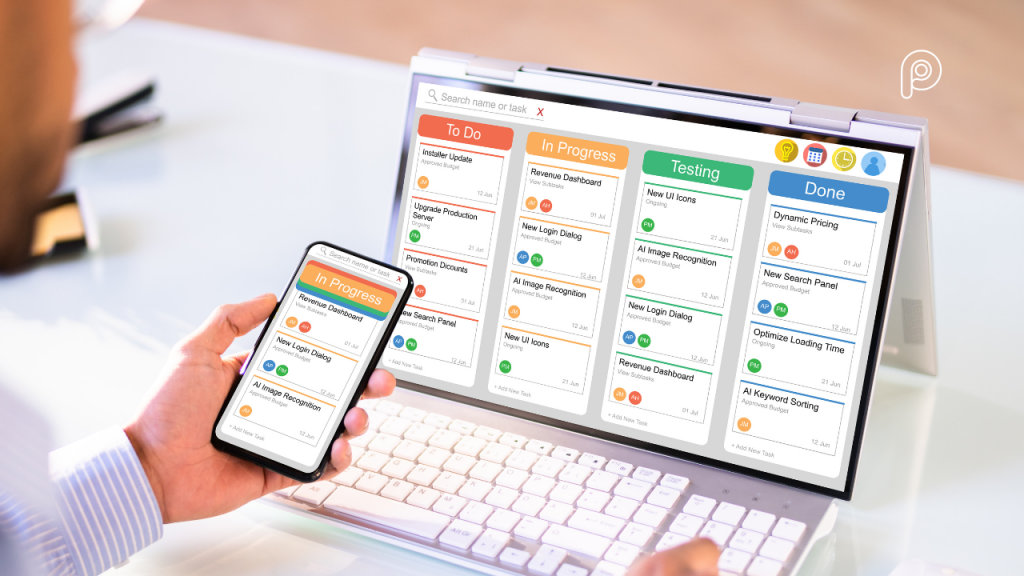
Project management software shines when it comes to task delegation and tracking. With intuitive dashboards and customizable workflows, assigning tasks becomes a breeze. Team members can see their responsibilities, deadlines, and priorities at a glance, which not only clarifies what needs to be done but also helps prioritize efforts to maximize efficiency.
Integrations That Bring Everything Together
The best project management tools don’t just stand alone; they integrate seamlessly with other tools your team uses. From file sharing services like Google Drive to real-time communication platforms like Slack, these integrations ensure that the project management software is a natural extension of your team’s existing workflow.
Access Anywhere, Anytime
Whether working from home, in the office, or on the go, teams need access to project details at their fingertips. Project software offers mobile apps and cloud access, ensuring that no matter where you are, you can stay connected and productive.
Ready to Transform Your Team’s Collaboration?
Adopting project management software isn’t just about upgrading your tools; it’s about transforming your team’s dynamics. It encourages proactive communication, enhances visibility, and fosters a collaborative spirit that can take your projects from good to great.
Curious to see how it works in real life? Don’t miss out on discovering the key features that make project management software a must-have in today’s collaborative workplaces. Dive deeper into the world of efficient project management by exploring our comprehensive guide on choosing the right software for your team. Stay tuned, and get ready to revolutionize the way your team collaborates!
If you’ve ever found yourself juggling deadlines, budget constraints, and project requirements, you’re not just managing a project—you’re dancing with the notorious Project Management Triangle! This triangle, often referred to as the “Triple Constraint,” holds the key to understanding why even the best-laid plans in project management can face hurdles. Today, we’re diving deep into the dynamics of the Project Management Triangle—Scope, Time, and Cost—to uncover how you can master this balancing act and lead successful projects.

The Eternal Triangle
Every project manager has faced the daunting task of delivering a project quickly, cheaply, and with uncompromised quality. However, as the old project management adage goes, “Fast, good, cheap: pick two.” This is the essence of the Project Management Triangle. Let’s break down its sides:
- Scope: This side of the triangle defines what the project is expected to deliver. It encompasses all the project goals, deliverables, tasks, and the work required to complete the project. Expanding or shrinking the scope can have a domino effect on the other two sides of the triangle.
- Time: Time is often the most rigid constraint. With fixed deadlines looming, the pressure to deliver on time can cause ripples through cost and scope. Effective time management isn’t just about meeting deadlines; it’s about optimizing the flow of a project to accommodate changes and maximize efficiency.
- Cost: Budget constraints are a reality for any project. Managing costs involves not just keeping expenses within budget but also ensuring that every dollar spent brings maximum value to the project. Cost overruns can jeopardize not just the project but the financial health of the organization itself.
The Balancing Act
Understanding the interplay of scope, time, and cost is crucial for any project manager. Adjusting one side inevitably affects the others, but with strategic planning and a thorough understanding of each element, you can navigate these changes without compromising on the project’s success.
Imagine you’re tasked with developing a new software tool. Halfway through, the client wants to add new features (increasing the scope). Without adjusting the deadline (time) or injecting more money (cost), the quality might suffer. Or perhaps the deadline is moved up, necessitating additional resources to meet the new timeline, thus increasing the cost.
Mastering the Triangle
So, how do you master the Project Management Triangle? Here are a few strategies:
- Thorough Planning: Before the project starts, ensure you have a clear understanding of all the requirements. A detailed scope document and a well-thought-out project plan can help you anticipate issues and allocate resources effectively.
- Flexibility and Adaptability: Being too rigid can be detrimental. Prepare to adapt your plan as the project progresses, and always have contingency plans ready.
- Communication: Keep all stakeholders informed about project changes, especially if they affect the scope, time, or cost. Regular updates and transparent communication can prevent misunderstandings and manage expectations.
- Stakeholder Engagement: Involve stakeholders in decision-making processes, especially when a trade-off is necessary. Their buy-in is crucial when the triangle needs to be adjusted.
- Continuous Monitoring: Keep a close eye on the project’s pulse. Regular check-ins and tracking of key performance indicators (KPIs) will alert you to potential issues before they become critical.
Final Thoughts
Mastering the Project Management Triangle isn’t just about understanding the theoretical aspects of scope, time, and cost. It’s about applying this knowledge in a dynamic environment where the needs and demands might change, but the end goal remains the same: to deliver outstanding results within the constraints you face. Whether you’re a seasoned project manager or a novice just starting out, remember that the triangle is your map, and mastering it is your journey to project success.
Stay tuned for more insights and strategies to help you navigate the complexities of project management. And remember, in the world of project management, balance is not something you find, but something you create!
Welcome, fellow wanderers in the realm of project management! Today, we embark on a quest to unravel the enigmatic art of Scrum Project Management. Brace yourselves, for we are about to delve into a world where agility meets efficiency, and teams dance to the rhythm of sprints and backlogs. So, grab your metaphorical swords and books as we journey through the mystical lands of Scrum.
Chapter 1: The Origins of Scrum
In our tale of Scrum, we must first pay homage to its origins. Picture this: a world fraught with rigid methodologies and endless meetings, where projects languish in the clutches of bureaucracy. But fear not, for amid chaos emerged Scrum, a beacon of hope for the weary project teams. Born from the minds of Jeff Sutherland and Ken Schwaber, Scrum revolutionized the way teams work, replacing ponderous processes with nimble iterations.
Chapter 2: The Essence of Scrum
At the heart of Scrum lies a simple yet powerful concept: agility. Unlike its lumbering predecessors, Scrum embraces change, welcoming it with open arms. Through the magic of sprints and backlogs, teams continuously improve, adapting to the ever-shifting landscape of project requirements. Imagine a group of skilled artisans crafting a masterpiece one sprint at a time, fueled by collaboration and guided by a shared vision.
Chapter 3: The Rituals of Scrum
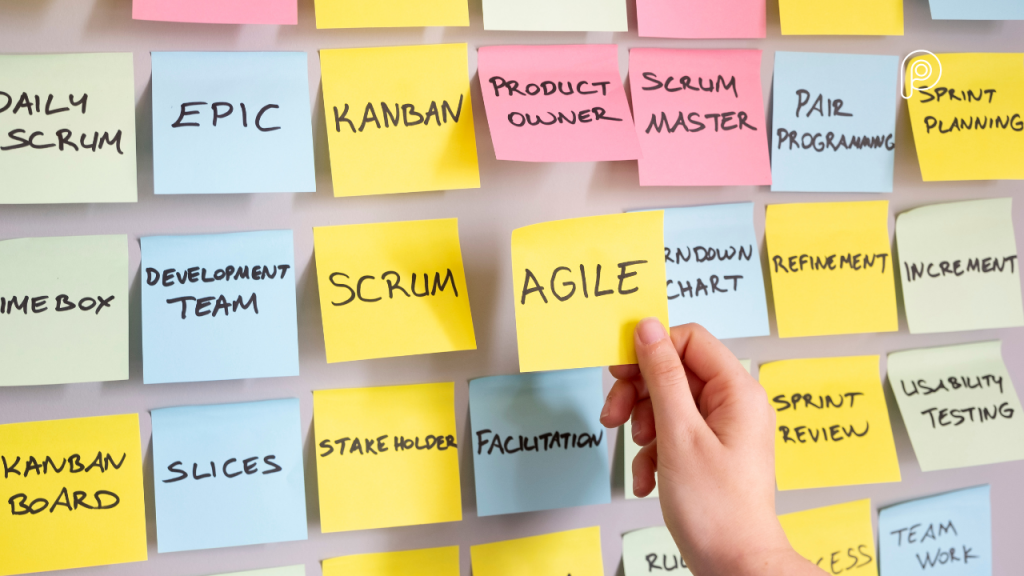
Now, let us peer into the sacred rituals of Scrum, where teams gather to commune with the agile spirits. Behold the Daily Standup, a brief but potent gathering where team members share their triumphs and tribulations. Witness the Sprint Planning meeting, where the path ahead is charted with precision, and the Sprint Review, where the fruits of labor are unveiled to stakeholders. And who could forget the Retrospective, a time for reflection and introspection, where lessons are learned and improvements are forged?
Chapter 4: The Guardians of Scrum
In every tale, some heroes safeguard the forces of sound, and in the realm of Scrum, these heroes take the form of Scrum Masters and Product Owners. The Scrum Master, like a wise sage, guides the team on their quest for excellence, removing obstacles and fostering a culture of continuous improvement. Meanwhile, the Product Owner, a visionary leader, steers the project towards success, wielding the mighty Product Backlog with wisdom and foresight.
Chapter 5: The Trials and Triumphs of Scrum
No journey is without its challenges, and Scrum is no exception. From scope creep to shifting priorities, the path of agility is fraught with peril. Yet, it is in the face of adversity that the true spirit of Scrum shines brightest. Through collaboration and perseverance, teams overcome obstacles, emerging more robust and resilient. And when victory is finally achieved, the rewards are sweet, for in Scrum, every triumph is shared and celebrated.
And so, dear readers, our quest draws to a close, but the adventure of Scrum Project Management continues. As you venture forth into the realm of agile magic, may you embrace the principles of Scrum with courage and conviction. For in the crucible of collaboration, great deeds are wrought, and the bonds of teamwork are forged anew. Farewell, brave souls, and may the winds of agility carry you to ever greater heights!
Do you ever find yourself gazing at the vast expanse of your project management career, wondering if there’s a secret ingredient to turbocharge your success? Well, my fellow project managers, let me tell you a little secret – it’s all about networking! Yes, you heard it right. Networking isn’t just a buzzword; it’s the key to unlocking a treasure trove of project management opportunities, insights, and collaborations.

So, grab your virtual cocktail (or coffee, if that’s your thing), and let’s embark on a journey to unveil the hidden gem of project management networking.
Break the Ice with Confidence: Picture this: you’re at a project management conference, surrounded by seasoned professionals and industry experts. The key to making meaningful connections? Confidence. Take the plunge, introduce yourself, and don’t be afraid to share your experiences and aspirations. Remember, everyone in the room shares a common passion for project management, making it easier to initiate a conversation than you think.
Quality Over Quantity: Networking isn’t about collecting business cards like Pokémon. It’s about forging genuine connections with like-minded individuals who can offer valuable insights and support. Focus on building meaningful relationships rather than trying to mingle with everyone in the room. Quality always trumps quantity when it comes to networking.
Embrace the Power of LinkedIn: Ah, LinkedIn – the holy grail of professional networking. Don’t underestimate the power of this platform to expand your professional circle. Join project management groups, participate in discussions, and don’t hesitate to contact industry influencers for a virtual coffee chat. You’ll be amazed at the doors LinkedIn can open for your career.
Attend Networking Events (Yes, Even Virtually!): In the age of Zoom and virtual conferences, networking has never been more accessible. Take advantage of online networking events explicitly tailored for project managers. Whether it’s a webinar, virtual meetup, or LinkedIn Live session, these events provide invaluable opportunities to connect with fellow professionals from the comfort of your home office.
Give Before You Get: Networking isn’t a one-way street. It’s about fostering mutually beneficial relationships where both parties can learn and grow. Be generous with your knowledge, offer assistance, and be genuinely interested in helping others succeed. The more you give, the more you’ll receive in return.
Stay Engaged and Follow Up: You’ve exchanged business cards (or LinkedIn profiles) with a promising contact—now what? Don’t let that connection fade into the abyss of forgotten acquaintances. Follow up with a personalized message, nurture the relationship by staying engaged on social media, and be proactive about scheduling follow-up meetings or coffee chats. Consistency is key to maintaining fruitful networking relationships.
In conclusion, project management networking isn’t just about swapping business cards or adding connections on LinkedIn – it’s about cultivating meaningful relationships that can propel your career to new heights. So, the next time you find yourself at a project management event or scrolling through LinkedIn, remember these tips and unleash the power of networking to expand your professional circle. Who knows? Your next career breakthrough could be a handshake (or virtual fist bump) away!
In the dynamic field of project management, professionals are continually looking for ways to enhance their skills, expand their networks, and increase their revenue streams. Joining the Proxiuss Affiliate Program represents an exciting opportunity for project managers to achieve these goals. Here’s why becoming an affiliate with Proxiuss can be a game-changer for your career and wallet.

1. Earn a Competitive Commission
One of the most compelling reasons to join the Proxiuss Affiliate Program is the lucrative earning potential. Affiliates earn a 10% commission on all orders placed by referrals, which can quickly add up. Whether you’re looking to supplement your income or establish a significant passive revenue stream, our program offers the financial incentives to make it worth your while.
2. Benefit from Recurring Income
Project managers understand the importance of predictability and stability, which is exactly what our monthly plans offer. By encouraging your network to subscribe to Proxiuss services, you not only ensure they receive continuous value but also secure a recurring income for yourself. This steady cash flow can be a financial backbone, supporting your personal and professional growth initiatives.
3. Leverage Exceptional Marketing Support
We know that not every project manager is a marketing expert, and that’s perfectly fine. Proxiuss equips our affiliates with a wide array of marketing tools and resources to help you promote effectively. From eye-catching graphics to persuasive copy, we provide everything you need to look good while you showcase our services. This support not only makes your promotional efforts easier but also more successful.
4. Gain Access to Exclusive Opportunities
As a Proxiuss affiliate, you get more than just commission and marketing tools; you also receive exclusive insights into our upcoming products and services. This ‘sneak peek’ access ensures that you stay one step ahead of the competition, keeping your network informed and engaged with the latest innovations in project management tools.
5. Expand Your Professional Network
Affiliate marketing opens up new avenues for interaction and connection with other professionals interested in enhancing their project management practices. By joining the Proxiuss Affiliate Program, you not only increase your income but also your industry connections, which can lead to new opportunities and collaborations.
How to Get Started
Signing up for the Proxiuss Affiliate Program is straightforward. Visit our website, fill out a simple registration form, and once approved, you’ll gain access to all the tools and information you need to start earning. It’s that simple!
Conclusion
For project managers looking to enhance their professional offerings and earn additional income, the Proxiuss Affiliate Program is an excellent opportunity. With competitive commissions, robust marketing support, and access to exclusive content, our program is designed to help you succeed. Don’t miss out on this chance to turn your professional network into a profitable asset. Join the Proxiuss Affiliate Program today and start transforming your connections into cash!
Join us now and start paving the way to a more prosperous future. Sign up here and take the first step towards enhancing your professional journey with Proxiuss.
In the ever-evolving landscape of modern work, one skill has emerged as the unsung hero of productivity: remote project management. With teams across time zones and continents, mastering the art of steering projects from afar has become crucial for any leader.

Welcome, fellow adventurers, to remote project management! Today, we embark on a journey to uncover the hidden treasures, dodge the pitfalls, and emerge victorious in virtual collaboration.
Unveiling the Remote Project Management Mystery
Picture this: your team scattered like puzzle pieces across the globe yet seamlessly working together towards a common goal. It sounds like a dream. Well, buckle up because this dream can become your reality with the right tools and techniques.
The Essentials: Tools of the Trade
Every great remote project manager needs a trusty arsenal of tools to conquer the digital landscape. From communication platforms like Slack and Microsoft Teams to project management software such as Proxiuss Project+, these tools are your virtual lifelines, keeping everyone connected and on track.
But wait, there’s more! Video conferencing tools like Zoom or Google Meet add that personal touch, transforming pixels on a screen into faces with voices and ideas. And let’s not forget about cloud storage solutions like Google Drive or Dropbox, where documents roam free, and collaboration knows no bounds.
Cracking the Code of Communication
Ah, communication – the cornerstone of any successful endeavor, remote or not. In remote project management, effective communication isn’t just a nice-to-have; it’s non-negotiable. Clear, concise, and frequent communication keeps the gears turning smoothly, ensuring everyone is on the same page (or screen, in this case).
But beware, fellow adventurers, for the land of remote communication is rife with traps. Misunderstandings lurk everywhere, waiting to derail even the most well-laid plans. That’s why mastering the art of active listening, clarity in messaging, and fostering an environment where questions are encouraged is critical to navigating these treacherous waters.
Embracing the Agile Mindset
In remote project management, adaptability is king, and the Agile mindset reigns supreme. Gone are the days of rigid, waterfall methodologies; in their place stands a dynamic approach to project management that embraces change, welcomes feedback, and iterates toward success.
By breaking projects down into bite-sized chunks, setting clear goals, and conducting regular retrospectives, Agile empowers teams to tackle challenges head-on while fostering a culture of collaboration and continuous improvement.
Conquering Time Zones and Distractions
Ah, the age-old adversaries of remote work: time zones and distractions. While they may seem like insurmountable foes, fear not, for they can be conquered with a dash of creativity and a sprinkle of discipline.
By establishing flexible working hours that accommodate different time zones, leveraging asynchronous communication when possible, and setting clear boundaries between work and personal life, you can turn these obstacles into stepping stones on your path to remote project management glory.
Conclusion: Charting Your Course to Success
And there you have it, fellow adventurers – your ultimate guide to mastering the art of remote project management. Armed with the right tools, a knack for communication, an Agile mindset, and a dash of creativity, you’re ready to embark on your epic journey toward virtual collaboration greatness.
So go forth, brave souls, and may your projects be fruitful, your teams united, and your Zoom calls free of technical difficulties. The realm of remote project management awaits – are you ready to conquer it?
In the fast-paced realm of project management, where every minute detail can make or break a project’s success, staying ahead of the curve is not just an option; it’s a necessity. As technology evolves at an unprecedented pace, project managers increasingly turn to a powerful ally in their quest for efficiency and excellence: Artificial Intelligence (AI).

In this digital age, AI is no longer just a buzzword; it’s a transformative force reshaping industries across the globe. But what does this mean for the world of project management? Buckle up because we’re about to dive into the exciting ways AI is revolutionizing the landscape of project management, and it’s bound to leave you amazed and intrigued.
Streamlining Project Planning
Bid farewell to tedious manual tasks and endless spreadsheets. With AI-powered project management tools, project planning has never been more efficient. These intelligent systems analyze historical data, identify patterns, and predict potential roadblocks, allowing project managers to make informed decisions and create more accurate project timelines.
Optimizing Resource Allocation
Say hello to more intelligent resource allocation. AI algorithms can analyze team members’ skills, availability, and workload to allocate resources optimally. By matching the right people to the right tasks at the right time, AI ensures maximum productivity and minimizes bottlenecks.
Predictive Risk Management
No crystal ball? No problem. AI can predict potential risks and issues before they escalate, enabling project managers to implement preventive measures proactively. By analyzing vast amounts of data, AI algorithms can identify early warning signs, empowering project managers to navigate uncertainties confidently.
Enhanced Communication and Collaboration
Communication breakdowns can derail even well-planned projects. AI-powered collaboration tools facilitate seamless communication among team members, regardless of geographical location or time zone. From automated status updates to real-time chatbots, AI ensures everyone stays on the same page, fostering collaboration and synergy.
Continuous Improvement with Machine Learning
With AI, learning never stops. Machine learning algorithms analyze project performance data to continuously identify areas for improvement. By learning from past successes and failures, AI helps project managers fine-tune their strategies and optimize processes for future projects.
Personalized Insights and Recommendations
Imagine having a virtual assistant dedicated to enhancing your project management skills. AI-driven analytics tools provide personalized insights and recommendations tailored to each project manager’s unique needs and preferences. From performance benchmarks to actionable suggestions, AI empowers project managers to level up their game like never before.
The future of project management is here, and it’s AI-powered. But amidst all the excitement, one question remains: Are you ready to embrace the transformative potential of Artificial Intelligence for project managers?
In this era of digital disruption, those who adapt and harness the power of AI will thrive, while those who resist risk being left behind. So, dear project managers, the choice is yours: Will you seize the opportunity to revolutionize your approach to project management with AI, or will you watch from the sidelines as the world marches forward into a new era of innovation and efficiency?
The journey has just begun, and the possibilities are endless. Embrace the future. Embrace AI. The world of project management will never be the same again.
Do you ever feel like you’re steering a ship through a tempestuous sea when managing IT projects? You’re not alone. Welcome to the wild world of IT project management, where the challenges are as dynamic as the technology itself. Whether you’re a seasoned captain or just dipping your toes into these turbulent waters, buckle up as we uncover the tantalizing trials and triumphs of IT project management.

The Game of Technology Thrones
In the realm of IT, change is the only constant. With technology evolving faster than a superhero’s costume change, staying ahead of the curve can feel like a never-ending battle. One of the biggest challenges IT project managers face is keeping up with the latest trends, tools, and techniques. From agile methodologies to cloud computing, the landscape is constantly shifting, requiring project managers to be both adaptable and agile.
The Bermuda Triangle of Scope Creep
Ah, scope creep—the bane of every project manager’s existence. Just when you think you’ve defined the project scope, requirements start multiplying like rabbits, threatening to sink your ship faster than you can say, “scope document.” Whether it’s stakeholders changing their minds or unforeseen complexities emerging, navigating the Bermuda Triangle of scope creep requires a steady hand and a strategic approach.
The Matrix of Communication Breakdowns
Communication breakdowns: the silent killers of IT projects. In a world where teams are scattered across time zones and continents, effective communication is more crucial than ever. Yet, amidst the cacophony of emails, Slack messages, and Zoom calls, important information can get lost in translation. IT project managers must play the role of communication maestros, orchestrating harmony amidst the chaos and ensuring that everyone is singing from the same hymn sheet.
The Quest for the Holy Grail: Budget and Timeline Management
Ask any project manager what keeps them up at night, and chances are, they’ll mention two things: budgets and timelines. In the fast-paced world of IT, where deadlines are tighter than a pair of skinny jeans, managing resources and timelines can feel like a Herculean task. Balancing the demands of stakeholders with the constraints of time and budget requires a delicate dance—one that requires equal parts finesse and fortitude.
The Final Boss: Risk Management
Every IT project has its own version of the final boss: risk management. From security breaches to technology failures, the road to project success is paved with potential pitfalls. Identifying, assessing, and mitigating risks is not for the faint of heart—it requires foresight, vigilance, and a healthy dose of optimism. After all, in the world of IT project management, it’s not a question of if something will go wrong, but when.
Charting a Course for Success
Despite the myriad challenges that IT project managers face, there is hope on the horizon. By harnessing the power of collaboration, communication, and creativity, project managers can steer their ships through even the stormiest seas. From leveraging cutting-edge technologies to fostering a culture of innovation, the possibilities are endless.
So, fellow sailors of the IT seas, take heart. Though the journey may be fraught with challenges, the rewards are well worth the effort. As you set sail on your next IT project management adventure, remember: with perseverance and determination, anything is possible. Fair winds and following seas, my friends.
Welcome, fellow adventurers, to the realm of project management! If you’ve ever found yourself lost in the labyrinth of tasks, deadlines, and shifting priorities, fear not—Agile is here to rescue you from the chaos.
In the fast-paced world of modern business, where change is the only constant, traditional project management approaches often feel like navigating through a storm with a paper map. But fear not, intrepid readers, for Agile is the compass that will guide you through the turbulent seas of uncertainty.

Now, picture this: You’re at the helm of a mighty ship, charting a course through uncharted waters toward a distant horizon. Your crew is a diverse group of experts, each with their skills and specialties. The winds of change are blowing fiercely, but with Agile project management as your guiding star, you navigate the storm quickly and gracefully. But what exactly is Agile project management, you ask? Ah, that is the million-euro question, my curious friends.
Agile is not merely a set of rules or a rigid framework; it’s a mindset, a philosophy, and a way of life. It’s about embracing change, fostering collaboration, and delivering customer value faster than a cheetah chasing its prey. At its core, Agile is all about breaking down complex projects into smaller, more manageable chunks called “sprints.” Think of it as a series of mini-adventures within the grand journey of your project. Each sprint has a clear goal, a defined timeline, and a dedicated team ready to tackle whatever challenges lie ahead.
But wait, there’s more! Agile isn’t just about getting things done quickly; it’s also about getting them done right. That’s where concepts like continuous improvement, feedback loops, and retrospectives come into play. With Agile, every sprint is an opportunity to learn, adapt, and grow stronger as a team. I know what you’re thinking: “But how do I implement Agile project management in my organization?” Ah, my dear reader, that is a journey unto itself – but fear not, for I shall be your guide through the treacherous terrain of Agile adoption. First, you must assemble your dream team – a band of fearless warriors ready to embark on this epic quest with you. Next, you’ll need to choose your weapons wisely – tools and techniques like Scrum, Kanban, and Lean will be your allies in the battle against mediocrity.
But remember, dear reader, Agile is not a one-size-fits-all solution. It’s a flexible framework that can be tailored to suit your organization’s unique needs and challenges. So don’t be afraid to experiment, iterate, or forge your path forward. And so, my fellow adventurers, as we stand on the threshold of this incredible journey into the heart of Agile project management, let us embrace the unknown with open arms and fearless hearts. Ultimately, it is not the destination that matters but the journey itself – and with Agile as our guide, the possibilities are endless.
Managing resources effectively is a beacon of operational excellence in the ever-evolving business services landscape. Capacity management, a strategic approach to balancing the supply of services with customer demand, emerges as a crucial component. It’s more than just a buzzword; it’s a foundational element that determines the success and sustainability of businesses in the competitive services sector. This guide delves into the importance of capacity management for business services companies, offering insights and strategies to navigate the complexities of the modern business environment.
Understanding Capacity Management
Capacity management, at its core, involves ensuring that a company has the resources – be it human, technological, or otherwise – necessary to meet current and future demand levels. It’s a balancing act that requires foresight, flexibility, and strategic planning to align the company’s capabilities with customer needs. This process is vital in the business services sector, where fluctuating demand and the need for high-quality service delivery can significantly impact operational efficiency and customer satisfaction.
Why Capacity Management is Critical
1. Enhances Customer Satisfaction: By adequately managing capacity, companies can deliver timely and quality service. This responsiveness to customer needs builds trust and loyalty, which are invaluable in today’s competitive market.
2. Optimizes Operational Efficiency: Effective capacity management allows businesses to utilize their resources efficiently, reducing idle time and minimizing the costs associated with over or underutilizing resources. This optimization leads to better financial health and the ability to invest in growth opportunities.
3. Supports Strategic Decision Making: Capacity management provides valuable data and insights that guide strategic decision-making. Understanding capacity constraints and capabilities helps leaders make informed decisions about investments, expansions, and adjustments to service offerings.
4. Improves Flexibility and Scalability: A solid capacity management strategy helps companies more easily adapt to market changes and customer demands. This adaptability is essential for scaling operations up or down based on real-time needs, ensuring long-term sustainability.
Implementing Effective Capacity Management
To harness the benefits of capacity management, business services companies should consider the following strategies:
1. Invest in Technology: Advanced technologies, such as predictive analytics and capacity planning tools, can significantly enhance the ability to forecast demand and align resources accordingly. These technologies also offer real-time insights, allowing for agile adjustments to capacity.
2. Develop a Flexible Workforce: A flexible workforce, supported by training and cross-functional capabilities, can adapt to varying demand levels without compromising service quality. This approach may include a mix of full-time, part-time, and freelance professionals.
3. Monitor and Adjust Regularly: Capacity management is not a set-it-and-forget-it task. Continuous monitoring of demand trends, resource utilization, and performance metrics is essential. Regular adjustments ensure the company remains aligned with market demands and operational goals.
4. Foster a Culture of Communication: Open and effective communication across departments ensures that capacity-related decisions are informed by a comprehensive understanding of the company’s operational landscape. This collaboration fosters a proactive approach to managing capacity challenges.
Capacity management is critical to strategic planning and operational efficiency for business services companies. By effectively managing their capacity, these companies can ensure high levels of customer satisfaction, optimize operational efficiency, and maintain a competitive edge in the dynamic business services market. Implementing a robust capacity management strategy requires commitment, flexibility, and a forward-thinking mindset, but the rewards for growth and sustainability are well worth the effort.
Comprehensive Platform for Effective Project Management
Proxiuss, a Salesforce native application, has emerged as a comprehensive platform that caters to various organizational needs, including project management, budget control, and more. With its seamless integration with Salesforce and its versatile capabilities, Proxiuss offers organizations a powerful tool to redefine their project management strategies, ensure effective budget control, and leverage advanced project management features, ultimately driving operational efficiency and financial stability.

Catalyst for Operational Excellence
With its advanced capabilities, Proxiuss acts as a catalyst for organizations striving to achieve operational excellence. While its core strength lies in providing seamless and efficient project management solutions, the application goes beyond this to ensure effective budget control and resource optimization. By integrating these crucial pillars into a unified platform, Proxiuss enables organizations to streamline their operations, maximize their financial resources, and achieve their business objectives with unparalleled efficiency and precision.
Revolutionizing Project Management
As organizations increasingly recognize the significance of efficient project management, Proxiuss Project+ has emerged as a game-changer in project execution. The application boasts a comprehensive suite of project management tools, including Gantt Chart visualization, task management, and task cost tracking. The Gantt Chart visually represents project timelines and dependencies, allowing teams to plan and manage tasks effectively. Task management features enable teams to assign, track, and monitor tasks in real-time, ensuring project progress aligns with the defined timeline. Task cost tracking allows organizations to monitor and control project expenses, contributing to effective budget management.
Supporting Diverse Methodologies
Proxiuss Project+ also caters to diverse project methodologies by offering Agile and Waterfall templates. Agile methodologies facilitate iterative development, collaboration, and quick response to changes, while Waterfall methodologies follow a linear, sequential approach. The flexibility to choose between these templates empowers organizations to align their project management approach with each project’s specific needs and dynamics.
Milestone Tracking
Additionally, Proxiuss Project+ includes milestone tracking features, allowing teams to set and monitor key project milestones. Milestones serve as essential markers of project progress and achievement, aiding in the overall assessment of project success.
Effective Budget Control
In addition to its robust project management capabilities, Proxiuss also addresses the critical need for effective budget control within organizations. By providing advanced tools for budget tracking, cost monitoring, and expense management, Proxiuss enables organizations to exercise strict financial discipline and ensure that projects adhere to allocated budgets without compromising on quality. The application’s integrated approach to budget control empowers organizations to make informed decisions and maintain financial stability, ultimately leading to improved project outcomes and enhanced profitability.
Fostering Collaboration
Furthermore, Proxiuss fosters a culture of collaboration and teamwork by providing a centralized platform for seamless communication and document sharing. As businesses operate in an increasingly globalized environment, the application’s collaborative features bridge geographical gaps and facilitate real-time communication among team members, regardless of their physical location. Proxiuss strengthens team cohesion, fosters transparency, and promotes a shared ownership and accountability culture, enhancing team productivity and driving successful project outcomes.
Empowering Businesses in the Digital Transformation Journey
In essence, Proxiuss redefines the way organizations approach project management, budget control, and the integration of advanced project management features. Proxiuss empowers businesses to achieve operational excellence, drive financial stability, and stay ahead in an increasingly competitive business landscape by offering a comprehensive and integrated solution that caters to these crucial organizational needs. As organizations continue to embrace digital transformation, Proxiuss remains at the forefront, enabling businesses to leverage the power of technology to achieve their goals with precision and efficiency.
In the whirlwind pace of today’s business landscape, harnessing the art of project management isn’t just beneficial—it’s crucial for your organization’s thriving success. Let’s take a moment to personalize the journey through the landscape of project management, highlighting the transformative impact of the right tools and navigating the pitfalls of oversight.
Your Guide to Project Management Excellence
- Mitigating Risks: Imagine reducing your project failure rates by 71%. It’s not just a dream; PMI research shows it’s a reality for organizations that leverage project management tools.
- Sticking to Budgets: Picture your projects consistently meeting budget goals. According to PricewaterhouseCoopers, this is the case for 75% of organizations that integrate project management practices.
- Accelerating Project Timelines: Envision delivering your projects 20% faster, a milestone achievable with streamlined planning and tracking.
- Elevating Team Productivity: According to PMI’s insights, boost your team’s productivity by more than 30%, turning ambitious goals into achievable targets.
Overcoming Common Project Hurdles
Without the right project management approach, you might face:
- Miscommunications that blur your project’s vision and tasks.
- Resource scheduling woes, either stretching your team too thin or underutilizing valuable assets.
- Budget overruns, straining your financial health.
- Time and energy drain due to outdated manual processes and a lack of clarity.
These are obstacles and opportunities waiting for the right tool to turn them around. Enter Proxiuss Project+ in Salesforce, your ally in transforming these challenges into stepping stones for success.
Proxiuss Project+: Tailored for Your Success
Proxiuss Project+ is not just a solution; it’s your partner in seamlessly managing projects across the globe or within your local office space. It offers a sanctuary where every project detail lives in harmony, accessible and intuitive for every team member:
- Tailored Project Management: From the drawing board to the final touches, maintain total control over your projects, ensuring they align with your strategic vision.
- Adaptable Methodologies: Whether you’re agile or prefer the structured waterfall method, Proxiuss Project+ bends to fit your project’s unique rhythm.
- Streamlined Task and Team Management: Visualize success with Kanban boards, enhance collaboration with integrated communication tools, and align your projects with PMO-friendly insights.
- Insightful Reporting and Resource Optimization: Dive deep into project analytics and fine-tune your resource allocation to ensure your team operates at peak efficiency without the risk of burnout.
Empowering Budget and Financial Oversight
Imagine a world where every dollar spent is tracked, and project profitability is not just hoped for but planned. With Proxiuss Project+, this world is your reality. From detailed financial reporting to flexible billing models, you can keep your finances in clear view and your projects profitable.
Join the Project Management Revolution
Proxiuss Project+ isn’t just another tool in your arsenal; it’s the bridge to realizing your project management aspirations. Picture your projects completed on time, within budget, and with outcomes that exceed expectations. That’s the Proxiuss Project+ promise.
We’re excited to invite you to explore the possibilities with Proxiuss Project+. Whether you’re curious about a demo or ready to dive in with a free trial, we’re here to guide you toward achieving project management mastery.
Thank you for allowing us to be part of your project management journey. Together, let’s redefine success in your projects and set new standards of excellence. Here’s to turning your project visions into realities!
In the world of nonprofit organizations, effective project management can make all the difference. However, every dollar saved, every volunteer engaged, and every mission accomplished is a step closer to achieving their noble goals. With the increasing reliance on technology and data-driven strategies, nonprofits have turned to Salesforce as a powerful tool for managing their operations and donor relationships. Yet, to truly harness the power of Salesforce, nonprofits need a specialized solution: Proxiuss, the nonprofit project management software that empowers organizations to excel in their missions.
Nonprofit Project Management Software: A Necessity
Regardless of their size or focus, nonprofit organizations face unique challenges in managing their projects. In the challenging world of nonprofit work, the stakes are high, as these projects often involve life-changing initiatives and the livelihood of countless individuals who depend on the services provided. Nonprofits must maximize their resources, engage their stakeholders, and maintain the highest standards of transparency and accountability.
This is where nonprofit project management software becomes indispensable. Effectively addressing these challenges requires more than tracking data and completing tasks; it also requires optimizing operations to have a meaningful impact on the world. Proxiuss is designed to do just that as a vital tool for nonprofit organizations running on Salesforce.
The Power of Proxiuss
Proxiuss offers a range of features and functionalities tailored to nonprofits’ unique needs. First and foremost, it provides comprehensive project tracking, ensuring that nonprofits can stay on top of their various initiatives, from fundraising campaigns to community outreach programs. It also includes ten free licenses.
Additionally, efficient resource allocation is a must for nonprofits. Proxiuss helps organizations maximize their resources, whether staff time, funding, or volunteer hours.
Moreover, Proxiuss integrates seamlessly with Salesforce, allowing nonprofits to manage donor relationships and engage with stakeholders. This can increase donations, volunteer involvement, and a stronger support community.
Furthermore, non-profits must be accountable to their donors, supporters, and the public. Proxiuss provides robust reporting and analytics tools, enabling organizations to showcase their achievements and demonstrate the impact of their work.
Furthermore, Proxiuss offers a high degree of customization, which allows organizations to tailor the software to their specific requirements.
Finally, one of Proxiuss’s most significant benefits is its user-friendly interface. Nonprofit staff can quickly learn to use the platform, significantly reducing the learning curve and increasing productivity.
Nonprofit Project Management Software
Incorporating Proxiuss into a nonprofit’s operations is not just a matter of convenience; it’s a strategic move. This nonprofit project management software helps organizations streamline workflows, build stronger relationships with their supporters, and enhance their overall impact. It’s a game-changer for nonprofits looking to maximize their efficiency and make the most of every resource.
Proxiuss is a vital asset for any nonprofit organization running on Salesforce. This nonprofit project management software offers a streamlined solution in an era where data-driven decisions and efficient project management are essential. As a result, with Proxiuss, nonprofits can focus on their core mission, be confident in their ability to manage projects, engage with donors, and report their achievements accurately. For nonprofits, every step closer to their goals is a step toward a better world, and Proxiuss is the key to making those steps count.
In the dynamic realm of professional services and consulting, effective project management is a cornerstone of success. Managing budgets, streamlining project workflows, accurately tracking time, and planning human resources is paramount for achieving project goals and ensuring client satisfaction. Leveraging a fully integrated project management software tool, especially one tailored for Salesforce like Proxiuss Project+, can significantly enhance efficiency, control, and overall project management for companies in these sectors.

The Essence of Project Management
Project management is a systematic approach to planning, executing, and overseeing projects efficiently and effectively. It involves applying knowledge, skills, tools, and techniques to meet project requirements within specific constraints. These constraints often encompass time, cost, quality, scope, and stakeholder expectations.
Key aspects of project management include:
Budget control is fundamental to project management, particularly in professional services companies. It involves estimating the project’s costs, creating a budget, monitoring actual spending, and ensuring that expenditures align with the predefined financial plan. Proxiuss Project+ provides a comprehensive budget management feature within the Salesforce ecosystem. It allows project managers to set, track, and manage project budgets in real time, enabling proactive decision-making to keep projects on track financially.
Time Tracking: Accurate time tracking is crucial for professional services and consulting companies to gauge project progress, allocate resources efficiently, and bill clients accurately. It helps understand how much time is spent on various project tasks and enables better resource management. Proxiuss Project+ integrates seamless time-tracking capabilities within Salesforce, allowing employees to log time on different project activities. This feature facilitates precise time monitoring, ensuring that billed hours match the effort expended on each project, ultimately improving transparency and client trust.
Resource Planner: Effective human resource planning and allocation are essential to maximizing productivity, ensuring work-life balance, and optimizing project outcomes. Proxiuss Project+ offers a resource planner feature, enabling project managers to accurately plan and allocate human resources based on skills, availability, and project requirements. This enhances efficiency, productivity, and employee satisfaction, contributing to a healthy work-life balance.
Addressing the unique needs of professional services and consulting companies
Professional services companies, including consulting firms, often have specific needs related to project management, given the nature of their work. These may include optimizing resource allocation and accurately tracking billable hours. Proxiuss Project+ addresses these needs in several ways:
Resource allocation optimization: Optimizing resource allocation is vital in professional services, where employees are often the most significant asset. Proxiuss Project+ helps efficiently allocate resources based on skills, availability, and project requirements. This ensures that the right resources are assigned to projects, enhancing productivity and outcomes.
Accurate billable hours tracking: Tracking billable hours accurately is crucial for billing clients appropriately in professional services. Proxiuss Project+ simplifies this process by allowing employees to record their time on different project tasks. This data is then utilized to generate precise invoices, helping companies maintain transparent and fair billing practices.
In professional services and consulting, efficient project management is critical to success. Proxiuss Project+, a Salesforce-native project management app, streamlines project workflows, controls budgets, supports multiple project management methodologies, enables precise time tracking, and facilitates accurate planning and allocation of human resources. For companies in these sectors, investing in a fully integrated project management tool like Proxiuss Project+ can significantly enhance efficiency, control, and client satisfaction, ultimately contributing to sustained growth and success.